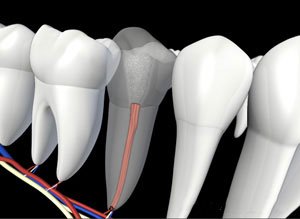
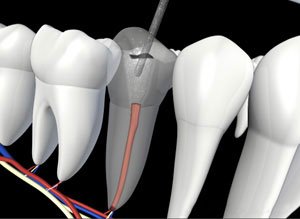
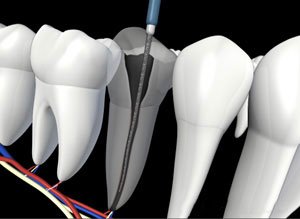
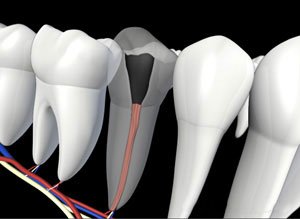
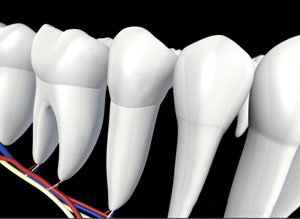
With proper care, teeth that have undergone root canal treatment can last as long as natural teeth. However, in some cases, a previously treated tooth may not heal as expected, or symptoms such as pain, sensitivity, or swelling may return months—or even years—after the initial procedure. When this occurs, endodontic retreatment may be recommended to address the underlying issue and help preserve the natural tooth.
Why a Root Canal May Fail to Heal Properly
Several factors can prevent complete healing after root canal therapy, including:
• Curved or narrow canals that were difficult to fully clean during the initial treatment
• Complex or hidden canals that went undetected
• Delayed placement of a crown or final restoration, allowing bacteria to re-enter the tooth
• Leaking or damaged crowns or fillings that permit saliva and bacteria to contaminate the root canal system. Even with modern techniques, these challenges can sometimes only become apparent over time.