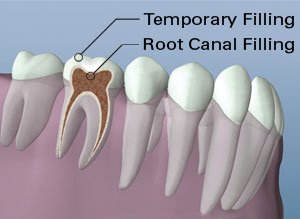
A root canal is one of the most common and effective dental procedures performed today, with over 14 million treatments completed each year. This routine, nonsurgical treatment can save your natural tooth, relieve pain, and prevent the need for tooth extraction, dental implants, or bridges.
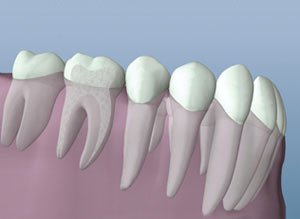
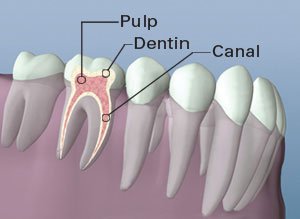
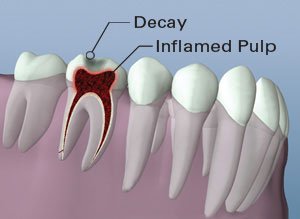
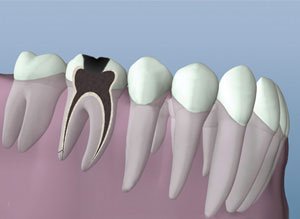
Inside every tooth is soft tissue called the dental pulp, which contains nerves and blood vessels that help nourish the tooth during development. When this pulp becomes inflamed or infected, it can cause significant discomfort and lead to further oral health complications if left untreated.
If you experience any of these symptoms, your dentist will most likely recommend non-surgical treatment to eliminate the diseased pulp. This injured pulp is removed and the root canal system is thoroughly cleaned and sealed. This therapy usually involves local anesthesia and may be completed in one or more visits depending on the treatment required. Success for this type of treatment occurs in about 90% of cases. If your tooth is not amenable to endodontic treatment or the chance of success is unfavorable, you will be informed at the time of consultation or when a complication becomes evident during or after treatment. We use local anesthesia to eliminate discomfort. In addition, we will provide nitrous oxide analgesia, if indicated. You will be able to drive home after your treatment, and you probably will be comfortable returning to your normal routine.
To provide you with a better understanding of endodontic procedures, we have provided the following multimedia presentation. Many common questions pertaining to root canal therapy are discussed.
After your root canal therapy is completed, a treatment report will be sent to your restorative dentist. You should contact their office to schedule a follow-up restoration, typically within a few weeks. Your general dentist will determine the most appropriate restoration—often a crown—to protect the treated tooth and restore full function. Complications following routine root canal treatment or endodontic microsurgery are uncommon. However, if any concerns arise, our office is always available to assist you. Maintaining good oral hygiene and attending regular dental checkups will help ensure long-term success.
The cost of root canal therapy can vary depending on:
•The tooth involved
•The complexity of the root canal system
•The extent of infection or damage. In most cases, root canal treatment is necessary. How Much Does a Root Canal Cost?
The cost of root canal therapy can vary depending on:
• The tooth involved
• The complexity of the root canal system
• The extent of infection or damage
In most cases, root canal treatment is significantly less expensive than extracting a tooth and replacing it with an implant or bridge, making it both a cost-effective and tooth-saving solution.
Our team is happy to discuss fees, insurance benefits, and payment options with you. It is significantly less expensive than extracting a tooth and replacing it with an implant or bridge, making it both a cost-effective and tooth-saving solution. Our team is happy to discuss fees, insurance benefits, and payment options with you.